
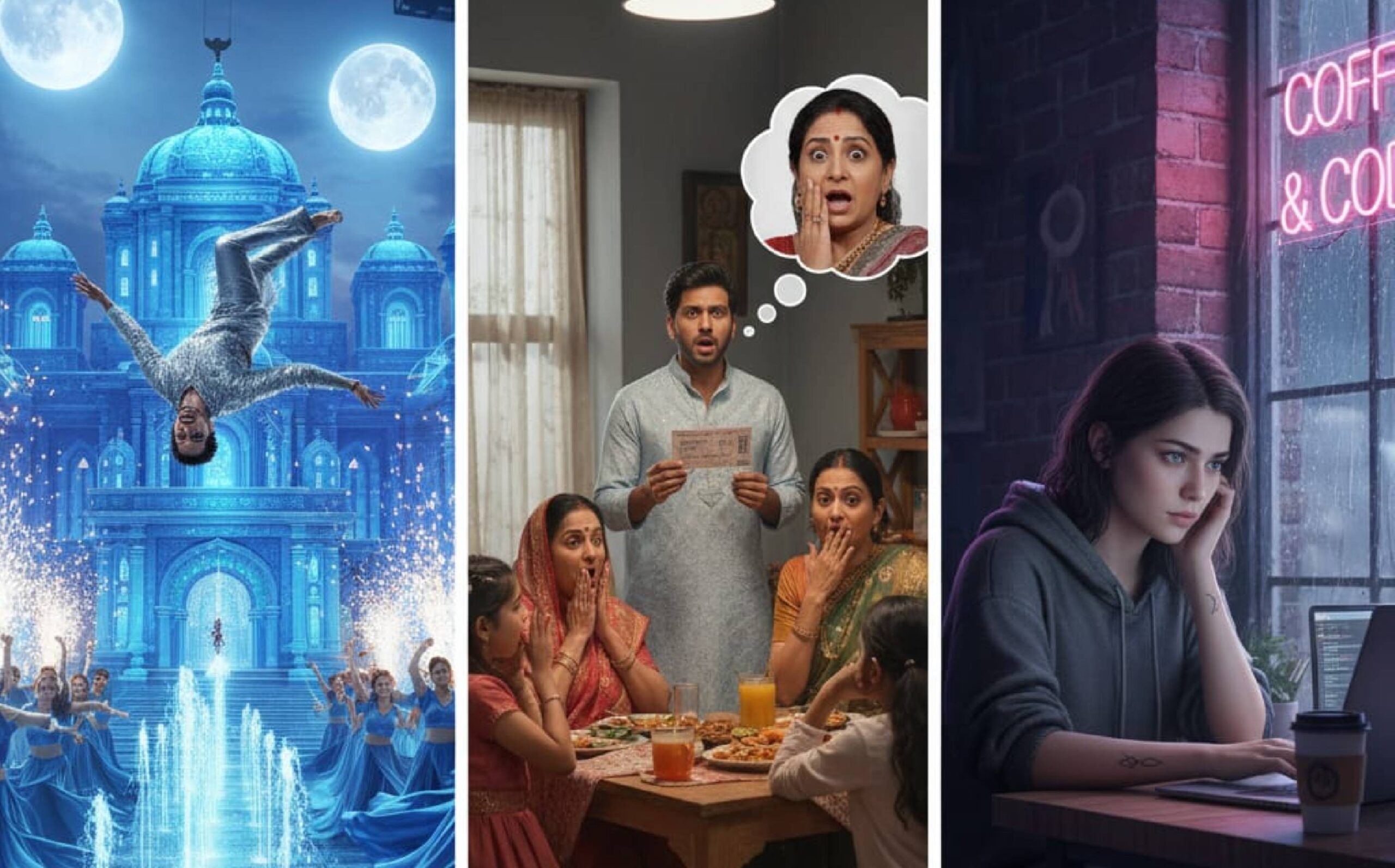
TREND IN EFFECTIVE REPLACEMENT OF WEB SERIES AGAINST TV SERIALS & FILMS
The article “Trend in Effective Replacement of Web Series against TV Serials & Films” has been written by Mr. Jayanta Kumar Majumder, Director of MIES R M Law College, Kolkata.
In recent years, web series have emerged as a powerful alternative to traditional television serials and films. With the growth of digital platforms, viewers now prefer content that is flexible, affordable, and available on demand. Unlike TV serials, which often follow repetitive storylines, or films, which require greater time and cost, web series deliver diverse themes and creative storytelling that cater to modern audiences.
This cultural shift also raises important issues of media law, censorship, copyright, and digital rights. For law students and legal professionals, the rise of web-based entertainment is not only a matter of popular culture but also a subject of serious academic and legal study.
TREND IN EFFECTIVE REPLACEMENT OF WEB SERIES AGAINST TV SERIALS & FILMS
Web Series might be fully replacing Daily Serials and Films due to the fast-changing taste and aptitude of the people in the Modern Entertainment World
For decades, daily serials ruled television screens. They were the heartbeat of households, shaping daily routines and providing a common source of drama, comedy, and suspense. Families gathered in their living rooms, adjusting dinner timings to ensure they never missed the latest twist in their favorite soap. The culture of “appointment viewing” dominated entertainment. However, this once-unchallenged format is now rapidly losing its dominance. In today’s digital age, web series and digital films are emerging as the new face of entertainment, offering creativity, convenience, and relatability that traditional serials and even films often lack.
—
Sharp Declining trend of Daily Serials
Daily soaps became famous as the most accessible and long-lasting form of entertainment. Their wide reach and recurring episodes made them a household staple. Yet, the very formula that once guaranteed their success is now leading to their decline.
Most daily serials are criticized for their repetitive & monotonous storylines, exaggerated emotions, and unrealistic character portrayals. Episodes are deliberately stretched to keep audiences engaged for years, but this often results in weak plots and a lack of freshness. In a time when audiences seek variety and fast-paced storytelling, this slow-moving and formulaic approach feels outdated.
Another drawback is the rigid nature of television broadcasts. Serials demand that viewers tune in at a fixed time every day, which can’t keep pace with the fast-moving modern lifestyle. With work, studies, and personal responsibilities, many viewers cannot afford such daily commitments. As a result, they started to turn away from traditional television, leaving serials behind.
—
The Emergence of Web Series
The growth & expansion of the internet and digital platforms have given a steady but fast rise to web series, finding a new and dynamic format of storytelling. Unlike daily soaps, web series follow short, well-structured seasons with a limited number of episodes, often released at once. This makes them easy to watch and far more engaging than drawn-out serials.
The strength of web series lies in their freshness and variety. They explore diverse themes covering social issues, relationships, business, politics, education, lifestyle, and even futuristic ideas. Unlike serials that mostly revolve around repetitive family drama, web series provide narratives that reflect reality more closely. They appeal to a wider audience, from young students and professionals to older generations who seek meaningful stories.
The characters in web series are also more attractive, realistic, and colourfully layered, breaking away from stereotypical portrayals. This relatability makes them resonate with audiences, who can see reflections of their own lives and struggles within the stories.
—
Why are Web Series Replacing Serials?
There are several reasons why web series are fast becoming the preferred form of entertainment over daily soaps:
1. Flexibility of Viewing – Web series can be watched anytime and anywhere. Unlike television, they do not demand strict time commitments, which suits busy lifestyles.
2. Compact Storytelling – The seasonal structure keeps narratives crisp and engaging. Rather than dragging for years, web series provide closure within a reasonable span, keeping viewers excited instead of exhausted.
3. Creative Freedom – Digital platforms give writers and directors greater liberty to experiment with bold ideas, diverse subjects, and innovative storytelling styles. Free from rigid censorship and set formulas, creators are able to deliver more meaningful content.
4. High Quality Production – Web series often feature cinematic visuals, strong sound design, and advanced editing, giving audiences an experience equal to or better than films, right at home.
5. Global Reach – Through online platforms, web series cross geographical boundaries. They are accessible worldwide, and audiences can explore content from different cultures without limitations.
6. Balance of Entertainment and Knowledge – Many web series are not only entertaining but also informative, providing viewers with insights into society, history, business, and human behavior. This educational element makes them more valuable than the repetitive plots of soaps.
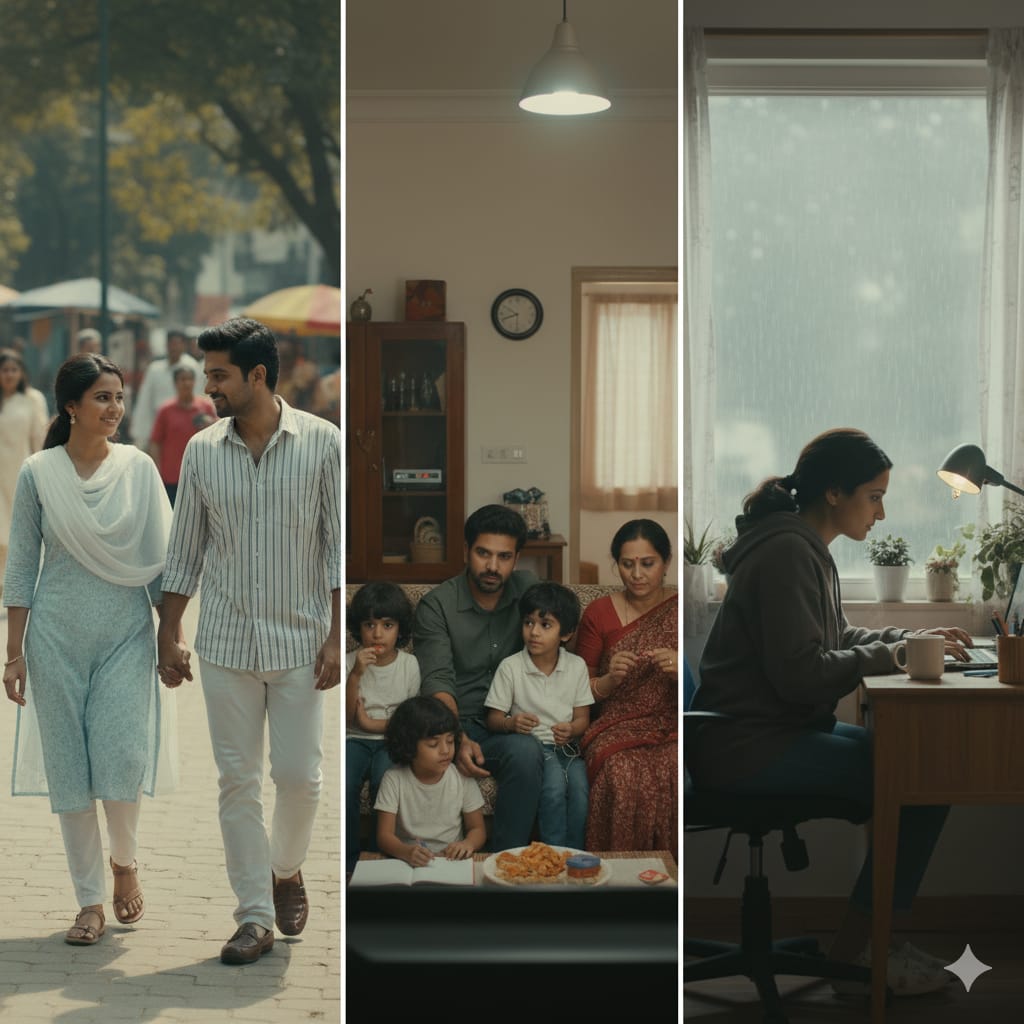
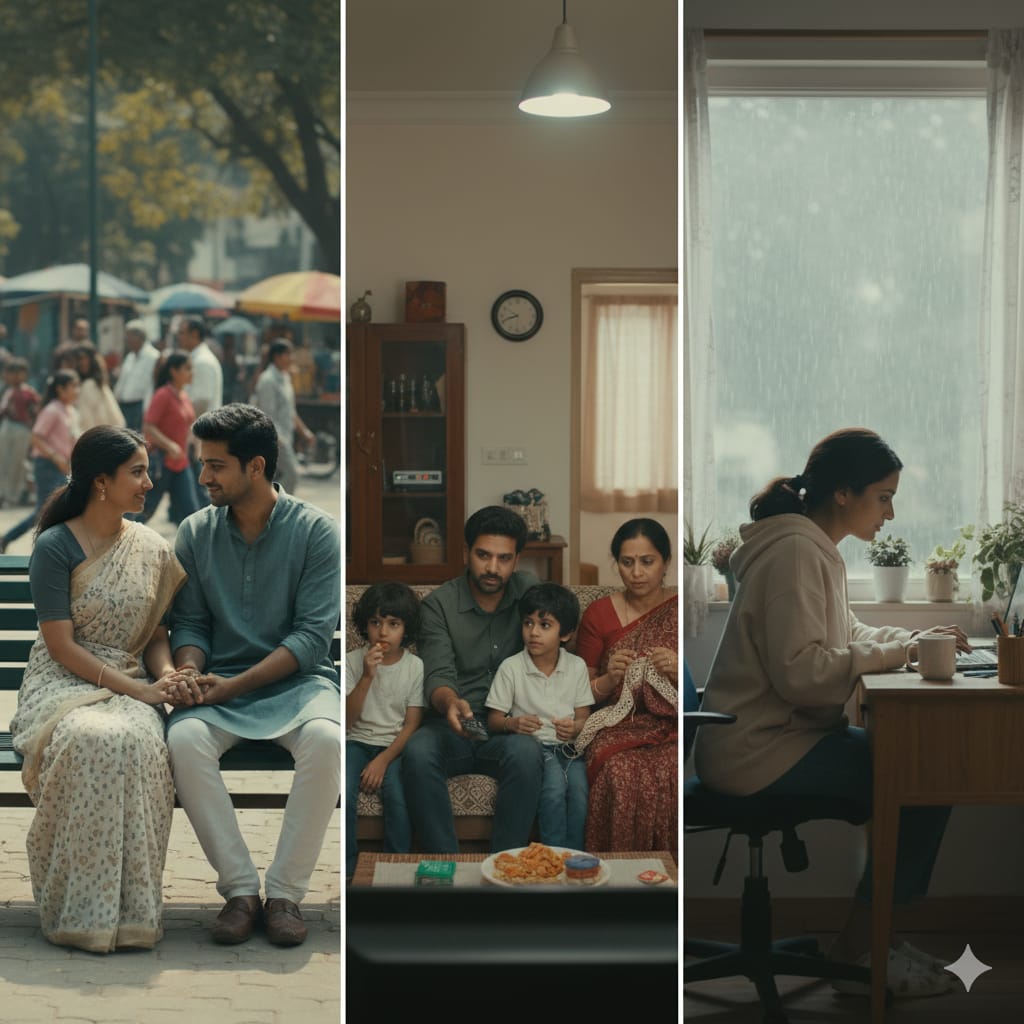
The Effect of Web Series over TV Serials & Films
It is not only daily serials that are losing ground to web series. Films, too, are experiencing competition from this digital shift. Traditionally, cinema was the highest form of storytelling, with people eagerly awaiting Friday releases and theatrical experiences. However, the arrival of web-based entertainment has reshaped this culture.
Viewers now often prefer staying at home and enjoying digital content instead of going to theatres. This change is driven by convenience, cost-effectiveness, and the wide variety offered by online platforms. A single subscription provides access to countless stories, eliminating the need for frequent and expensive cinema visits.
Furthermore, the content of web series often matches or even surpasses films in depth and quality. They allow longer character development and more complex plots, something that is harder to achieve in a two-hour movie. This has attracted many established filmmakers and actors to the digital space, proving that the film industry itself acknowledges the growing power of web series.
—
Changing Audience Preferences
The success of web series reflects the changing mindset of viewers. Modern audiences have the following traits and nature
Time-conscious – They prefer concise yet powerful storytelling over endless episodes.
Quality-driven – They demand polished productions with strong scripts and realistic characters.
Independent – They choose their content individually, often watching alone on personal devices rather than collectively on a television set.
Globally aware – They are open to exploring new cultures and formats, something easily possible with digital platforms.
Hence, daily soaps, which once thrived on collective family viewing, are no longer able to match these expectations. Today, entertainment is personal, flexible, and tailored to individual taste, something web series excel at delivering.
—
The Future of Entertainment
The rise of web series clearly signals that the future of entertainment lies in digital platforms. Daily soaps will not vanish entirely, but their influence will continue to shrink, restricted to smaller audiences. Films will also retain their importance, particularly big-budget releases that thrive on theatrical experiences. However, the balance of power has undoubtedly shifted towards the digital space.
In the coming years, web series are expected to grow even further, exploring advanced formats such as interactive storytelling, virtual reality, and personalized recommendations powered by artificial intelligence. They will not only entertain but also educate, inspire, and reflect the rapidly changing world around us.
—
Conclusion
The journey from daily serials to web series represents a major transformation in entertainment culture. Daily soaps, once the pride of every household, now appear outdated in comparison to the creativity, flexibility, and relatability offered by digital storytelling. Web series are not just replacing daily serials but are also challenging films by providing high-quality content with greater freedom and accessibility.
As society becomes more technology-driven and audiences demand both efficiency and innovation, web series have emerged as the perfect means & blend of entertainment and information. They represent the new era of storytelling and will continue to define how stories are created and consumed in the future.
The dominance of daily serials has been fading away fast, and the digital age belongs to web series— the evolution that reflects not just a change in media but also a change in the way people live, think, and connect with the world.
MIES R M Law College, Sonarpur
At MIES R M Law College, Sonarpur, South Kolkata, one of the best law colleges in West Bengal, students are trained to explore the legal dimensions of emerging media and technology. As a Bar Council of India-approved law college, affiliated with Vidyasagar University, the institution has earned its reputation as a top provider of legal education in India.
The college offers 3-year law college programs with a focus on both academic excellence and professional growth. Students benefit from internship opportunities, exposure to law practice, and strong placement support in law firms, corporate sectors, and law officer roles. This blend of theoretical and practical training makes MIES R M Law College one of the leading law schools in Kolkata and West Bengal.
The rise of web series over traditional entertainment highlights how law, technology, and society intersect in today’s world. With its commitment to preparing students for the future, MIES R M Law College ensures that graduates are well-equipped to handle emerging challenges in media law, intellectual property law, and cyber law, while pursuing rewarding careers in the legal field.