
CONTRIBUTORY EFFECT OF SOLAR ENERGY IN INDIA – The article
The article “CONTRIBUTORY EFFECT OF SOLAR ENERGY IN INDIA” has been written by Mr. Tapan Kumar Das, Skill Development Officer of MIES R M Law College, Kolkata. In recent years, solar energy has emerged as a powerful alternative to traditional sources of power generation such as coal, oil, and natural gas. With the advancement of renewable technologies, people worldwide now prefer energy solutions that are sustainable, cost-effective, and environmentally friendly. Unlike fossil fuels, which contribute to pollution and climate change, solar power offers a clean and inexhaustible source of energy that supports both economic and ecological balance.
At MIES R M Law College, Sonarpur, South Kolkata, one of the best law colleges in West Bengal, students receive a strong foundation in law while being exposed to the latest global developments. The college offers 3-year law programs as well as comprehensive legal education courses designed to prepare students for diverse careers in the legal profession.
Being a Bar Council of India-approved law college under Vidyasagar University, MIES R M Law College has established itself as a leading provider of legal education in India. The institution not only focuses on academics but also on career-oriented training, internship opportunities, and placements in law firms. Many graduates have gone on to build successful careers as law officers, practicing lawyers, and legal consultants.
Introduction – CONTRIBUTORY EFFECT OF SOLAR ENERGY IN INDIA
The use of solar energy was first discovered in ancient times for heating & making fire, with the scientific discovery of the photovoltaic effect occurring in 1939 by Alexandre Emond Becquerel. Much before this, Charles Fritts had created the first practical solar cell in 1884, & much later in 1954, a team at Bell Labs, including Daryl Chapin, Calvin Fuller, and Gerald Pearson, developed the first commercial Silicon Solar cell.
⦁ What is Solar energy?
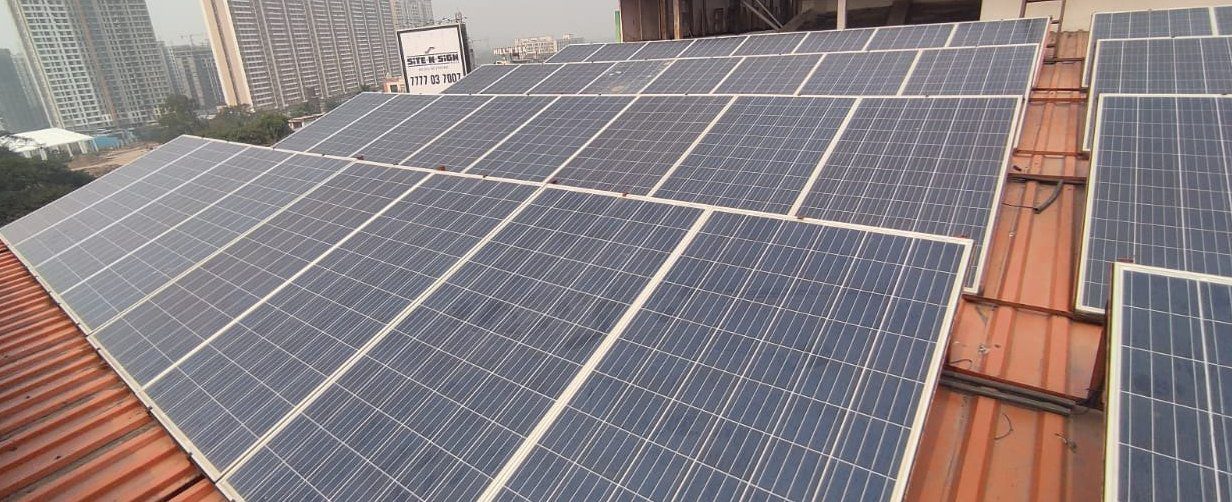
Solar energy is the radiant light and heat from the sun that can be harnessed using technologies like Solar panels to generate electricity or heat.
⦁ Inexorable rise in use of solar energy as it is derived from the inexhaustible power of the sun.
In an era where environmental consciousness takes center stage, the inexorable rise of Solar energy emerges as a beacon of hope for a sustainable future, as it is derived from the inexhaustible power of the sun. Solar energy has turned to be a pivotal player in the global shift towards cleaner, greener energy alternatives. As the present world grapples with the repercussions of climate change and environmental degradation, understanding the multifaceted benefits of Solar panels is not just a choice but a necessity.
⦁ SOLAR ENERGY’S EARLY USES & SCIENTIFIC DISCOVERY
In ancient times, humans had harnessed solar energy for centuries, starting around the 7th Century B.C. with magnifying glasses to start fires. The Greeks and Romans also used solar energy for heating purposes during those times.
⦁ As far back as 1939, the foundation of modern solar technology.
The roots of solar power can be traced back to 1939. It was at this time that a 19-year-old French physicist, A.E. Becquerel, discovered the photovoltaic effect, where a material generated electricity when it was exposed to light. This discovery, basically, laid the foundation for modern solar technology.
⦁ Invention of Modern Solar panels.
In 1954, researchers at Bell Labs – Daryl Chapin, Calvin Fuller & Gerald Pearson discovered and developed the first silicon-based solar cell, which was much more efficient than previous technologies.
⦁ Subsequent developments of solar energy.
From 1970 till the 21st century the modern technology has developed & constructed larger & larger solar power plants.
Now the technology has continued to be refined & upgraded, becoming more accessible to the public & governments.
⦁ China made the highest record in solar power/energy production.
China is the leading Country in solar energy, with the highest installed solar capacity & the largest global production of solar panels. As of 2025, China’s solar capacity is significantly greater than any other nation, with the USA ranking Second.
Now China has the World’s largest installed solar capacity, which surpassed 1,100 gigawatts in mid-2025. It has also been installing more solar capacity annually than the rest of the world combined.
⦁ India’s position in Solar energy production.
India holds the 3rd position in the world’s solar power production & also the third largest generator of combined wind & solar power.
⦁ ADVANTAGES OF SOLAR ENERGY
- Solar energy contributes to reducing air pollution.
- Solar energy minimizes the strain on finite natural resources.
- Solar energy reduces carbon footprints.
- Solar energy installations are wildlife-friendly.
- Solar energy reduces water consumption compared to traditional energy sources.
- Solar energy creates jobs and stimulates economic growth.
- It mitigates climate change.
- It conserves water for future generations.
- Solar energy makes breathing easy & thus benefits public health.
⦁ Can Solar energy replace traditional electricity?
Whether solar power can fully substitute conventional energy sources like coal and natural gas for all electricity generation is a concern. While solar energy has significant benefits like being clean, sustainable to, and increasingly cost-effective, fully replacing traditional electricity is a complex challenge due to its intermittent nature (only generating power when the sun is shining). Achieving a 100% solar power grid would require advancement in energy storage, grid infrastructure, and complementary renewable sources like wind to provide consistent, reliable power day & night.
⦁ Specifically judging the pros & cons of adopting solar energy transition.
Before transition or shift to transition substitute Solar energy in place of conventional/traditional energy sources for all electricity generation has to be seriously considered in the light of the following three safeguards or viewpoints.
- Substitution: It asks if solar energy can take the place of existing sources of all or most of our electricity needs.
- Comparison: It requires a comparison of solar’s pros & cons against traditional energy sources like coal, gas, and oil.
- Feasibility: It questions the technical, economic & logistic feasibility of a complete transition, considering the limitations of solar power.
⦁ Key factors in the comparison between the two power/energy such as Solar energy and traditional sources of energy.
- Availability: Traditional sources provide power on demand, while solar generation depends on sunlight and is intermittent.
- Storage: To replace traditional sources, solar needs a massive, cost-effective energy storage system (like batteries or pumped hydro) to provide power after sunset or during cloudy weather.
- Cost: Solar has lower long-term operating costs, but requires significant upfront investment. The long-term economics are favorable as solar costs decline and traditional fuel costs rise.
- Environmental impact: Solar has a much lower environmental impact, producing no greenhouse gas emissions during operation, unlike fossil fuels, which cause pollution & contribute to climate change.
- Infrastructure: A 100% solar grid would require major upgrades to existing power grids, including potentially building vast energy transport networks to move power from sunny regions to others.
- Scalability: Solar is highly scalable, from small rooftop systems to large-scale solar farms, making it a major part of the energy mix.
⦁ SOLAR ENERGY TO BENEFIT THE GENERAL PUBLIC
Since solar energy is easy to access for public use, also cost-effective & affordable to the public as well as environmentally healthy, the Government should look into its extensive use by the public. Government steps in this matter are essentially anticipated, so that implementation of it at the grassroots level is ensured soon.
Conclusion
While solar energy can replace a significant portion of traditional electricity and is a vital part of a sustainable energy future, it cannot completely replace it alone with current technology.
A complete transition would require a combination of solar, improvements in energy storage, a stable and reliable power wind and other energy sources, along with massive improvements in energy storage, a stable and reliable grid technology to ensure a stable and reliable power supply at all times. However, solar energy & its necessity cannot be at all ignored.
MIES R M Law College is also known for providing internship opportunities with law firms and organizations, helping students gain hands-on experience in law practice. This practical exposure ensures that graduates are well-prepared for both courtroom practice and corporate legal roles.
Recognized as one of the top law schools in Kolkata and West Bengal, the college continues its glorious journey in shaping future-ready lawyers. By combining traditional legal values with modern technology, MIES R M Law College ensures its students are equipped to thrive in the era of Artificial Intelligence.
_____________